

gold led vanity mirror
Denetim Cetveli Kalite Kontrolünde Önemi Son yıllarda, üretim ve hizmet sektörlerinde kalite kontrolü, işletmelerin başarısı için kritik bir öneme sahip olmuştur. Bu noktada denetim cetvelleri, kalite yönetim sistemlerinin önemli bir parçası haline gelmiştir. Denetim cetveli, bir ürünün ya da hizmetin belirlenen standartlara uygun olup olmadığını değerlendirmek için kullanılan bir araçtır. Bu yazıda, denetim cetvelinin ne olduğu, nasıl kullanıldığı ve işletmelere sağladığı avantajlar üzerinde duracağız. Denetim cetveli, genellikle kalite kontrol süreçlerinde kullanılan bir liste veya formdur. Bu cetvel, belirli kriterlerin ve standartların belirlenmesine yardımcı olur. Ürün veya hizmetlerin, bu kriterlere uygunluğu, denetim cetveli üzerinden sistematik bir şekilde kontrol edilir. Bu kontroller, hem üretim sürecinde hem de son ürün veya hizmetin tesliminde gerçekleştirilebilir. Denetim Cetveli Kalite Kontrolünde Önemi Denetim cetvellerinin birçok avantajı bulunmaktadır. İlk olarak, bu araçlar, süreçlerin standartlaştırılmasına yardımcı olur. Belirli bir formatta yapılan kontroller, tutarlılığı artırır ve hata payını azaltır. Ayrıca, denetim cetvelleri, işletmelerin standartlarını ve hedeflerini belirlemesine olanak tanır. Bu sayede, işletmelerin hangi alanlarda iyileştirme yapılması gerektiğini tespit etmeleri kolaylaşır. inspection ruler Diğer bir avantaj ise, denetim cetvellerinin eğitim sürecine katkıda bulunmasıdır. Yeni çalışanların, kalite kontrol süreçlerini daha iyi anlamalarına olanak sağlayarak, eğitim süreçlerini hızlandırır. Ayrıca, geçmişte yapılan kontrollerin ve elde edilen verilerin kaydedilmesi, işletmelerin gelişimine katkı sağlar. Yıllar içinde biriken veriler, işletmenin performansını değerlendirmek ve gelecekteki hedeflerini belirlemek için kıymetli bir kaynak oluşturur. Denetim cetvellerinin etkin bir şekilde kullanılabilmesi için, öncelikle işletmenin hedeflediği kalite standartlarının net bir şekilde tanımlanması gereklidir. Bu standartlar, sektörel gereklilikler ve müşteri beklentileri doğrultusunda belirlenmelidir. Ayrıca, denetim cetvellerinin düzenli olarak güncellenmesi, değişen koşullara ve yeni gelişmelere adapte olmayı sağlar. Denetim cetvellerinin hazırlanmasında dikkat edilmesi gereken bir diğer önemli nokta ise, çalışanların bu süreçlere dahil edilmesidir. Çalışanların görüşleri ve deneyimleri, daha etkili denetim cetvellerinin oluşturulmasına katkı sağlar. Bu nedenle, işletmelerin, çalışanlarla işbirliği içinde çalışarak, denetim cetvellerini oluşturması ve gözden geçirmesi önemlidir. Sonuç olarak, denetim cetvelleri, kalite kontrol süreçlerinin vazgeçilmez bir parçasıdır. Hem üretim süreçlerinin hem de hizmet sunumunun kalitesini artırmak adına önemli bir araç olan denetim cetvelleri, işletmelere birçok avantaj sunar. Kalite standartlarının belirlenmesi, tutarlılığın artırılması ve geçmiş verilerin değerlendirilmesi gibi konularda güçlü bir destek sağlar. Bu nedenle, her sektörde etkili bir denetim cetvelinin kullanılması, işletmelerin rekabet gücünü artırarak uzun vadeli başarı sağlamalarına yardımcı olacaktır.
about
gold led vanity mirror
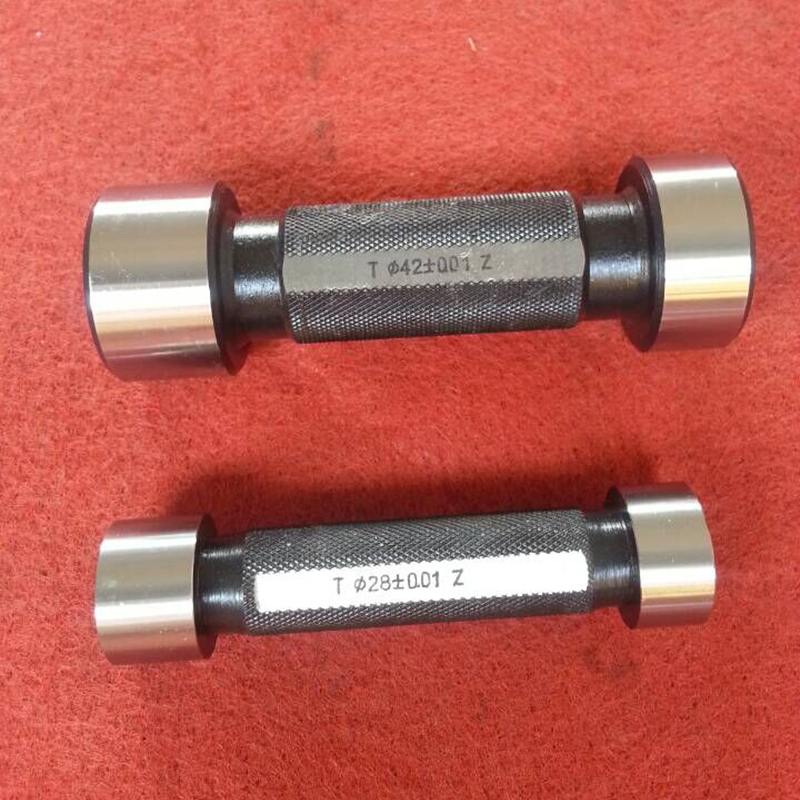
Understanding the Runout Tester A Key Tool in Precision Engineering In the world of precision engineering, the importance of accurate measurements cannot be overstated. Among various tools employed to ensure precision, the runout tester stands out as an essential device for evaluating the performance of rotating machinery and components. This article delves into the fundamentals of the runout tester, its applications, and its significance in maintaining high standards of engineering. What is a Runout Tester? A runout tester, also known as a dial indicator or runout gauge, is a precision measuring instrument used to determine the deviation of a rotating part from its true geometric center. This deviation, known as runout, can lead to significant issues in machinery performance, including vibrations, noise, and premature wear of components. The runout tester works by measuring the radial displacement of a rotating object—like a shaft or a wheel—at various points along its circumference. How Does It Work? The operation of a runout tester is relatively straightforward . The device typically consists of a dial indicator mounted on a stable base, which is brought into contact with the part being measured. As the part rotates, variations in its surface alignment cause the dial indicator needle to move. By recording the maximum and minimum measurements indicated during a full rotation, an engineer can calculate the total runout, which is the difference between these two measurements. Types of Runout There are two primary types of runout that are commonly measured Total Runout and Circular Runout. Total runout assesses the cumulative deviation of a part’s entire surface as it rotates, ensuring that the part can be reliably positioned within its manufacturing tolerances. Circular runout, on the other hand, focuses on a specific point along the diameter, allowing for a more localized evaluation of a part’s rotational accuracy. runout tester Applications in Engineering Runout testers are utilized in various engineering fields, including automotive, aerospace, and manufacturing. In the automotive industry, for example, they are critical in aligning brake rotors and ensuring that wheels are dynamically balanced. In aerospace, precise measurements are crucial for ensuring that turbine blades and other rotating components operate within stringent tolerances to avoid catastrophic failures. Additionally, machine shops frequently use runout testers during the machining process to verify the accuracy of parts before they are installed. This proactive measure helps in minimizing the likelihood of costly reworks and downtime, thus enhancing productivity and efficiency. The Importance of Runout Testing The significance of runout testing extends beyond mere compliance with specifications. It is vital for enhancing the overall performance and longevity of mechanical components. By ensuring that components are correctly manufactured and positioned, runout testers help to mitigate vibration-related issues that can lead to mechanical failure. Consequently, the regular use of a runout tester contributes to lower maintenance costs, reduced operational downtime, and improved safety in engineering systems. Conclusion In summary, the runout tester is an indispensable tool in the realm of precision engineering. Its ability to accurately measure the alignment and balance of rotating components plays a significant role in ensuring operational efficiency and safety across various industries. As technology advances, the integration of digital runout testers and advanced analytics is likely to increase the accuracy and reliability of these measurements, further solidifying their importance in modern engineering practices. Whether in a machine shop or on the production floor, the runout tester remains a fundamental device for quality assurance and performance optimization.
-

High quality industrial productsagement

High quality industrial products
View Details -

Meet the diverse needs of customers

Meet the diverse needs of customers
View Details -

Strict quality control

Strict quality control
View Details -

Top raw materials

Top raw materials
View Details -

Trusted supplier

Trusted supplier
View Details
Our application


news and information
Versatile Clamps for 16mm Welding Tables to Enhance Your Metalworking Projects
Understanding 16mm Welding Table Clamps A Comprehensive Guide Welding is a fundamental process in me

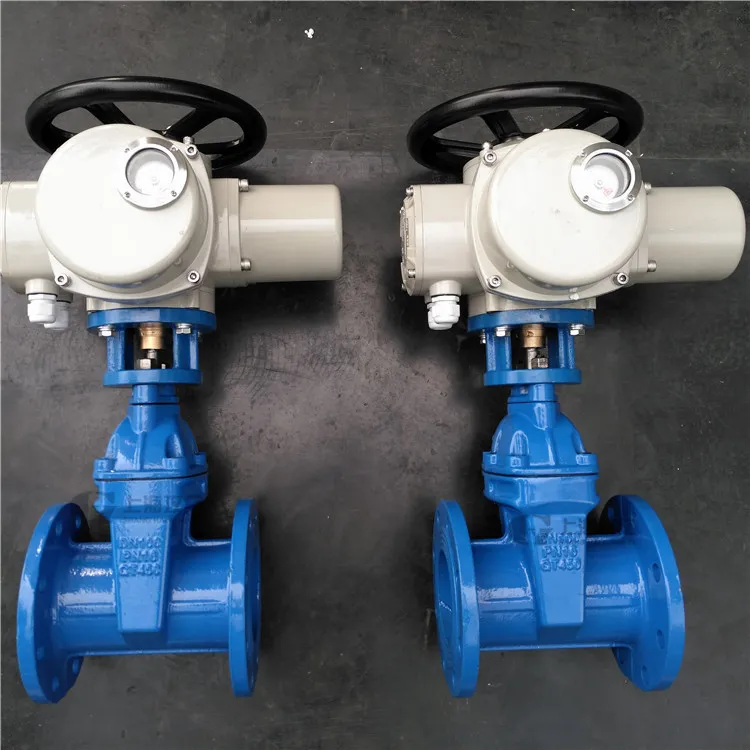
Valve Types for Industrial Applications
As a wholesaler in the industrial equipment sector, understanding the diverse valve types available
Valves Available for Purchase Now at Competitive Prices
Exploring the Market for Valves for Sale A Comprehensive Guide In industrial applications across var
 English